The dirndl, an imperative German dress, is an iconic symbol of the cultural and historical past, especially in the Alpine regions of Bavaria. This traditional apparel, with its beautiful craftsmanship and timeless layout, has developed over time. While the classic dirndl continues its grandeur in Bavaria, regional variations across Germany reflect nearby customs, practicality, and present-day traits. From ankle-period Bavarian dirndls to shorter versions desired in different regions, the dirndl continues to captivate with its rich history and current flair.
Bavarian Dirndl: Elegance in Every Detail
The Bavarian dirndl remains the most well-known variant of the conventional German dress. Known for its fashionable, ankle-length design, the Bavarian dirndl is a staple at Oktoberfest and formal occasions like Catholic ceremonies and cultural fairs.
Design Features:
- Rich fabrics like silk and cotton showcase intricate embroidery styles.
- The traditional look consists of a well-geared-up bodice that accentuates the waist and colourful aprons.
- The skirt commonly reaches mid-calf to ankle length (at least 70 cm), adding an air of modesty and beauty.
- Bow placement at the apron serves as a decorative detail, signaling the wearer’s marital popularity.
Within Bavaria, particular areas, inclusive of Miesbach and Berchtesgaden, have wonderful dirndl styles that highlight their unique style heritage.
Pro Tip: Choose a Bavarian dirndl to make a grand entrance at Oktoberfest 2025 or any formal event celebrating German lifestyle.
Tyrolean Dirndls: Alpine Charm with a Modern Touch
The Tyrolean dirndl hails from the alpine areas of Upper Bavaria and Tyrol, Austria. Worn in the course of formal activities and galas, Tyrolean dirndls exude a rustic yet sophisticated appeal.
Design Features:
- Often paired with tailor-made jackets and ornamental elements like carved buttons.
- The silhouette features a geared-up bodice and a calf-length skirt.
- Floral and geometric patterns at the apron create a distinct alpine aesthetic.
- Lace trims and embroidery add a hint of elegance to the overall look.
Tyrolean dirndls constitute the cultural identity of the Alpine areas, beautifully mixing subculture with fashion.
Swabian Dirndl: Simplicity Meets Elegance
The Swabian dirndl gives a more diffused, subtle version of the traditional dirndl. Originating from the Swabia vicinity of Southwest Germany, this dirndl is characterised by its understated elegance and realistic layout.
Design Features:
- Made from earthy tones and pastel sunglasses, it emphasizes simplicity.
- The skirt is normally knee-length, best for hotter climates.
- Hand-stitched embroidery and fine substances create an advanced yet minimalistic look.
- The design favors a graceful and timeless style, making it suitable for formal and semi-formal gatherings.
The Swabian dirndl is perfect for people who recognize understated beauty and sensible but fashionable attire.
Franconian Dirndls: Rustic Charm with a Bold Twist
In Franconia, located in northern Bavaria, dirndls take on a more rustic and playful look. These dirndls are regularly worn at wine galas and outside events, combining practicality with cultural flair.
Design Features:
- Earthy tones and bold, playful patterns are stimulated through rural lifestyles, including motifs of cattle and wildflowers.
- Mid-calf to mini lengths, with the skirt generally measuring around 20 inches from the waist.
- Rustic buttons and problematic embroidery on the bodice and apron.
- Lighter substances are used to make certain concessions during outdoor events.
Franconian dirndls blend practicality with beauty, making them ideal for festivals or summer season activities.
Dirndl Variations Across Germany: From North to South
In areas out of doors of Bavaria, inclusive of Lower Saxony and Hesse, dirndls are much less traditional however gaining popularity. These areas incorporate modern-day diversifications of the traditional dirndl, with shorter skirts and cutting-edge fabric.
Lower Saxon Dirndls:
- Straightforward designs with traditional styles.
- Made from natural fabrics that prioritize comfort and functionality.
Hesse Dirndls:
- Feature local shades and fashionable patterns.
- Modest necklines and sensible aprons make them appropriate for everyday wear.
Both areas prioritize consistency and wearability, even as they keep a connection to nearby traditions.
Dirndl Fashion Trends: Catering to Modern Tastes
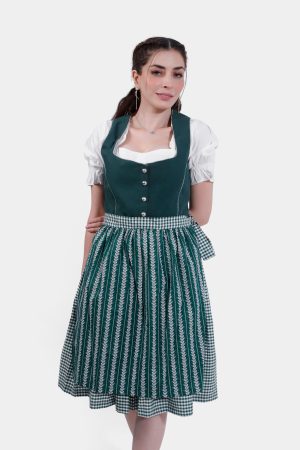
As dirndls evolve, current variations are now to be had to healthy one-of-a-kind tastes and frame types. Today, dirndls are available in multiple lengths and patterns, from mini to maxi, ensuring a flattering fit for anyone.
Dirndl Lengths:
- Midi Dirndl: Knee-length or mid-calf, ideal for flexible events like Oktoberfest and weddings.
- Mini Dirndl: A younger and playful desire, best for informal outings or festive occasions. These are regularly 20 inches from waist to hem.
- Maxi Dirndl: The longest dirndl, attaining ankle-length (as a minimum of eighty cm), appropriate for gown parties, formal activities, or traditional festivals.
Longer dirndls crafted from heavier materials are usually worn in colder areas, while lighter, shorter variations are desired in hotter climates.
Conclusion:
Each nearby variant of the dirndl reflects the various traditions, social norms, and style developments of Germany. From the formal, longer dirndls of Bavaria to the practical knee-length variations of Swabia, every dirndl tells a unique story of the place’s subculture and manner of life. Whether you select the timeless elegance of a Bavarian dirndl, the country allure of a Franconian dirndl, or the contemporary twist on a mini dirndl, there’s a dirndl style for each occasion.
Find Your Perfect Dirndl Today! Explore our special series featuring all regional dirndl versions and revel in special in-shop reductions for a restricted time.
 07Mar
07Mar  by eLederhosen