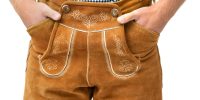
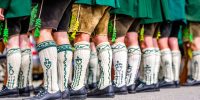
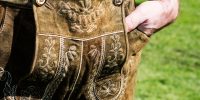
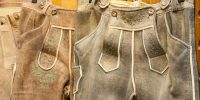
The term lederhosen (German: Lederhose, meaning “leather pants”) refers to the traditional leather breeches worn by men in Southern Germany, especially in Bavaria, as well as in Austria, South Tyrol, and parts of Slovenia. Known worldwide as the symbol of the Bavarian costume, lederhosen remain a powerful emblem of Alpine heritage.
At Bayerische Alpen, we celebrate this tradition by designing authentic and modern lederhosen that keep the spirit of Bavaria alive for today’s generation. While the modern world often associates them with Oktoberfest, the story of lederhosen runs much deeper—spanning centuries of tradition, culture, and craftsmanship.
Origins of Lederhosen
Historical records suggest that lederhosen first appeared in the late Middle Ages. Designed as workwear, their durability made them ideal for hunters, riders, and peasants who required sturdy clothing for outdoor life. Leather’s resilience made lederhosen far superior to fabric garments, which wore out quickly in rough conditions. By the 18th century, a specific Bavarian style emerged—most famously, the drop-front flap (Hosenlatz), which even influenced French fashion of the time. The style became so well known that it was called à la bavaroise (“in the Bavarian style”).
Everyday Wear vs. Festive Attire
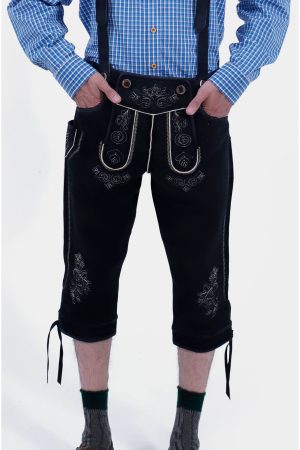
Originally, short lederhosen—cut above the knee—were practical for daily life in the steep slopes of the Alps, offering greater mobility. Longer versions, called Bundhosen, extended below the knee and were reserved for special occasions or worn in regions outside Bavaria, such as Swabia and the Black Forest.
While everyday use declined outside core Alpine areas during the 19th century, Upper Bavarian towns like Bayrischzell fought to preserve this tradition. Teachers and cultural leaders founded the first preservation associations (Trachtenvereine) in the 1880s, encouraging the revival of Bavarian costume and promoting local identity. Support even came from Bavarian royalty—King Ludwig II and King Ludwig III proudly wore lederhosen, reinforcing their cultural value.
Regional Variations in Lederhosen
Lederhosen are not identical across regions. Distinct styles developed, each reflecting local identity:
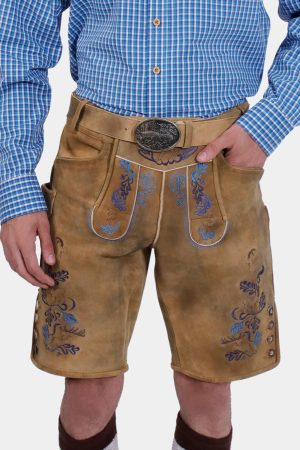
Bavaria (Alps): Short lederhosen, often brown, with floral embroidery and suspenders.
Swabia & Black Forest: Knee-length Bundhosen, cuffed at the bottom, paired with white linen shirts and colorful vests (red being most common). Swabian farmers traditionally wore black lederhosen, while winemakers favored yellow.
Austria & Tyrol: Similar short styles, but embroidery motifs and flap designs often varied.
These variations made lederhosen more than clothing—they became markers of community, occupation, and tradition.
What is Traditional Bavarian Clothing?
Traditional Bavarian clothing, also known as Tracht, is the cultural dress of the Alpine regions of Germany and Austria. The two most iconic pieces are:
Lederhosen (for men): Short or knee-length leather trousers with suspenders, embroidery, and rustic detailing. Worn with a white or checkered shirt, wool socks (Loferl), and traditional Bavarian shoes (Haferlschuhe).
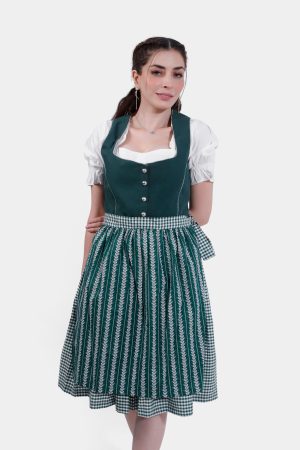
Dirndl (for women): A fitted bodice, blouse, full skirt, and apron, often decorated with lace or embroidery. The bow on the apron indicates relationship status (left = single, right = taken).
Together, lederhosen and dirndls form the complete Bavarian costume seen at Oktoberfest, folk dances, and cultural festivals.
At Bayerische Alpen, we design both authentic lederhosen and dirndl dresses that combine traditional craftsmanship with modern comfort, making them the perfect choice for anyone wanting to celebrate Oktoberfest or honor Alpine culture.
Key Features of Lederhosen
Authentic lederhosen have several defining details:
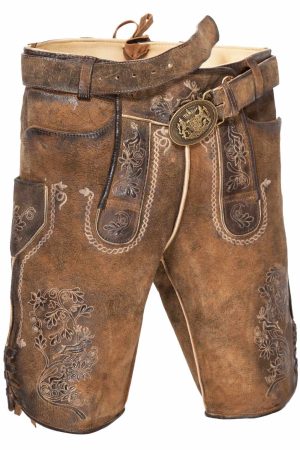
Material: Deerskin, goatskin, or cowhide for durability.
Flap: The drop-front (Hosenlatz), a hallmark of Bavarian design.
Length: Above the knee (lederhosen) or below the knee (Bundhosen).
Embroidery: Decorative stitching in floral or regional patterns.
Suspenders: Often with ornate buckles and embroidery.
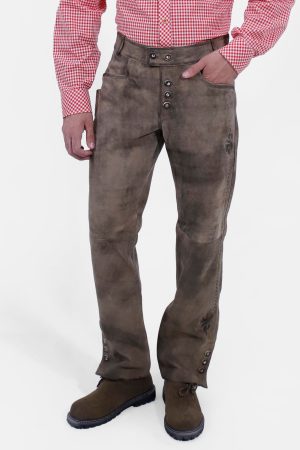
Colors: Traditionally black or brown, with regional exceptions like yellow Swabian designs.
Even within Bavaria, you’ll find distinctions such as the number of decorative seams—3, 5, 7, or even 9—signifying different stylistic traditions.
Lederhosen Today
Although lederhosen are no longer everyday clothing, they remain a central part of the Bavarian costume at cultural festivals, folk dances, and Oktoberfest celebrations worldwide. Modern variations now include fashion-forward takes, with updated cuts and colorful embroidery, though the traditional styles remain the most cherished.
At Bayerische Alpen, we specialize in creating high-quality lederhosen that blend tradition with modern craftsmanship. Every piece is designed to honor Bavarian heritage while offering comfort, durability, and authentic detailing. Whether you’re preparing for Oktoberfest 2025 or looking for a timeless Bavarian outfit, our collection ensures you step into the festival in true Alpine style.
Whether worn in Munich’s Oktoberfest tents, Austrian folk festivals, or by cultural groups abroad, lederhosen represent pride, heritage, and the enduring spirit of Bavaria.
Frequently Asked Questions (FAQs)
What was the purpose of lederhosen?
Originally, lederhosen were designed as durable workwear for peasants, hunters, and riders in the Alpine regions. Made from leather, they could withstand hard labor, outdoor activities, and rough weather much better than fabric trousers. Today, they serve as a cultural symbol and the centerpiece of the Bavarian costume at festivals and celebrations.
Are lederhosen Austrian?
Yes—lederhosen are worn not only in Bavaria but also in Austria, South Tyrol, and parts of Switzerland and Slovenia. While they are most famously tied to Bavarian identity, different regions have their own unique variations, such as Austria’s knee-length styles and distinctive embroidery.
What is a female lederhosen called?
Traditionally, women did not wear lederhosen—they wore dirndl dresses as their official Bavarian costume. However, in modern times, many women choose to wear “ladies’ lederhosen,” which are tailored shorts or trousers styled with embroidery and suspenders. At Bayerische Alpen, we celebrate both traditions by offering authentic dirndls and modern women’s lederhosen for those who want a contemporary twist.
Is it okay to wear lederhosen to Oktoberfest?
Absolutely! In fact, wearing lederhosen is the most authentic way for men to celebrate Oktoberfest. It shows respect for Bavarian culture and allows you to enjoy the festive spirit fully. Pair your lederhosen with a white or checkered shirt, traditional socks, and haeferl shoes for the complete Oktoberfest Bavarian costume look.
What do men wear under lederhosen?
Traditionally, men wear light linen or cotton undergarments beneath their lederhosen. For modern wear, it’s common to use simple briefs or boxer shorts for comfort. Some also choose longer undershorts during colder Oktoberfest evenings.
Why don’t you wash lederhosen?
Unlike fabric trousers, lederhosen are made of high-quality leather. Washing them in water can damage the material, strip away natural oils, and ruin the embroidery. Instead, lederhosen should be carefully spot-cleaned, brushed, and aired out after use. At Bayerische Alpen, we recommend professional leather care products to keep your lederhosen looking timeless and authentic for years.
Final Thoughts
From their humble beginnings as practical workwear to their current status as the quintessential Bavarian costume, lederhosen have carried centuries of culture, craftsmanship, and Alpine heritage. Today, they stand as more than just leather breeches—they are a living tradition, cherished by locals and celebrated globally. So, whether you wear them for Oktoberfest 2025 or at a Bavarian heritage event, lederhosen are more than attire; they’re a piece of history you can step into.

 07Mar
07Mar  by eLederhosen