Bavaria isn’t just a place on the map—it’s a feeling legacy. And at the heart of it all is Bavarian culture, rich in pride, togetherness, and tradition. It’s a living story—told through the echo of alpine cowbells, the aroma of roasted almonds, and the laughter shared beneath chestnut trees. For those who know its rhythm, Bavaria isn’t a place—it’s a feeling. It’s Heimat—a deep sense of home rooted in pride, tradition, and a connection to something greater than oneself.
From the traditional garb to the timeless toasts, every aspect of Bavarian life whispers of legacy and belonging. This is a culture that holds tight to its roots while singing boldly into the future.
A Legacy Carved by Time
The story of Bavaria begins centuries ago, with the Baiuvarii—a Germanic tribe whose name gave the region its identity. Over time, Bavaria blossomed into a kingdom known for its independence, beauty, and resilience. Even today, many Bavarians will tell you they are Bavarian first, German second—a sentiment not born of division, but of deep cultural pride.
It is a land shaped by faith and family. Monasteries once dotted the landscape, filling the valleys with music, learning, and prayer. Village church bells still ring today, calling not just for worship, but for remembrance—for the continuity of life, of Sundays spent together, of heritage passed from one heart to the next.
The influence of King Ludwig II, Bavaria’s “fairy-tale king,” lives on in castles that rise like dreams from the forest. He championed beauty, music, and individuality—values that still shape the Bavarian soul.
“Mia san mia”: We Are Who We Are
This motto, “Mia san mia,” is more than a phrase—it’s the essence of Bavarian culture: strong, self-assured, and unapologetically proud of its identity. To be Bavarian is to carry a quiet confidence. It’s knowing that a way of life built on family, nature, celebration, and tradition is something to be proud of. Bavarians don’t need to shout it—they live it. And in that silent strength, there is beauty. “Mia san mia” lives in the way people greet each other by name in small towns, the way children wear the same Dirndl their grandmothers once wore, and the way an entire beer tent can raise a toast in perfect harmony.
Tradition Woven Into Everyday Life
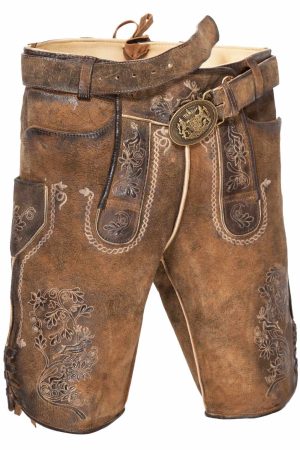
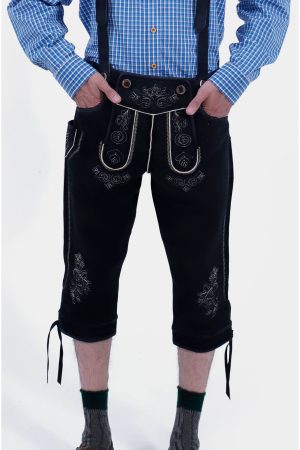
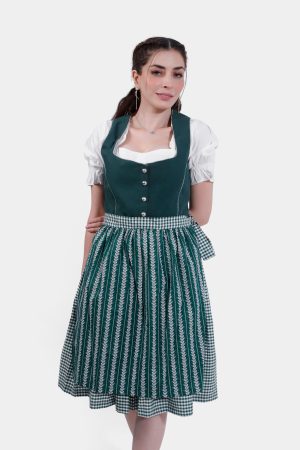
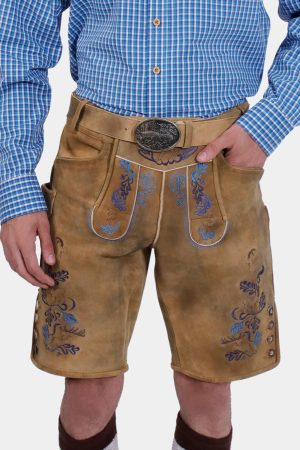
In Bavaria, Tracht (traditional clothing) isn’t just worn for show—it’s worn from the heart. A Dirndl is not a costume; it’s a symbol of heritage. A pair of Lederhosen, passed down through generations, carries stories in every stitch.
These garments tell tales of harvests celebrated, weddings remembered, and Oktoberfests enjoyed under the open sky. The apron bow tied to the left or right doesn’t just indicate relationship status—it honors customs that connect people without needing a single word.
When Bavarians dress in their Tracht, it’s not about being old-fashioned. It’s about honoring where they come from. It’s about being part of something bigger.
Gemütlichkeit: The Soul of Celebration
At the heart of Bavarian culture is a word that doesn’t exist in English: Gemütlichkeit. It means coziness, friendliness, warmth—but more than that, it’s a feeling. A beer shared between old friends. A grandfather dancing with his granddaughter at a local fest. A table full of strangers who become a family by the second round of singing Ein Prosit.
Oktoberfest, while world-famous, is only one expression of this spirit. Smaller village festivals, Maypole dances, brass band concerts—all carry the same sense of togetherness and joy. It’s not about the size of the celebration; it’s about the soul behind it.
When a Bavarian raises a Maß (beer mug), it’s never just a drink—it’s a toast to life, to laughter, and to the ties that bind.
A Land That Shapes Its People
The landscape of Bavaria is not just scenery—it’s part of the identity. The Alps don’t just stand tall; they watch over the people like guardians. Green valleys, wildflowers, and lakes that mirror the sky form a backdrop to a life that respects nature and lives in rhythm with the seasons.
Sundays are sacred—not just for church, but for family walks through the woods, for long lunches, for stillness. In Bavaria, the slower pace of life is not laziness—it’s love. It’s time to set aside what truly matters.
The biergarten under the old chestnut tree, with children playing nearby and elders telling stories, isn’t a scene from the past—it’s the present. And it’s as real as the mountains themselves.
Tradition Meets Today
Modern Bavaria is a place of progress—Munich is a hub for tech, art, and business. But that doesn’t mean traditions have been lost. They’ve grown stronger.
Young Bavarians are proud to wear their heritage. Oktoberfest isn’t just for tourists—it’s a living expression of Bavarian identity. Local artisans still craft Dirndls by hand, farmers still honor seasonal festivals, and communities still gather not for profit, but for presence.
This balance between progress and preservation is what makes Bavaria not just unique but also inspiring.
What Bavaria Teaches Us
The world may move fast, but Bavarian culture teaches us to slow down, stay rooted, and honor the traditions that make us feel at home. That pride in where you come from can coexist with openness to where you’re going.To understand the roots of Bavaria is to understand a people who find joy in simplicity, beauty in detail, and meaning in community.
And when you wear something Bavarian—from a finely embroidered Dirndl to a weathered pair of Lederhosen—you don’t just wear fabric.
> You wear memory. You wear history.
> You wear a piece of someone’s heart.


 07Mar
07Mar  by eLederhosen