Oktoberfest Germany is more than a world-famous beer festival — it’s a living symbol of Bavarian heritage, cultural pride, and family tradition. While millions of tourists flock to Munich each year for the festivities, it’s the locals who truly bring Oktoberfest to life. Unlike in many cultures where old customs fade away with modern times, Germans continue to embrace and celebrate this iconic event wholeheartedly. But why does Oktoberfest still matter so much in Germany today?
A Deep Cultural Root
The heart of Oktoberfest Germany lies in its origin: a royal wedding celebration in 1810 that evolved into an annual tradition. For Bavarians, it’s not just about beer tents and brass bands. It’s about preserving a cultural identity that has been passed down through generations. Oktoberfest serves as a public expression of Heimat — a uniquely German word meaning a deep sense of belonging, home, and pride in one’s regional roots.
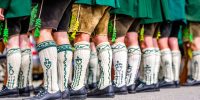
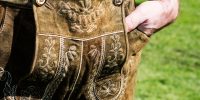
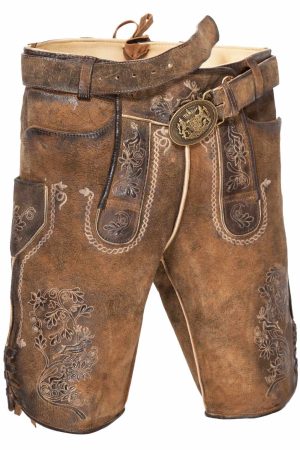
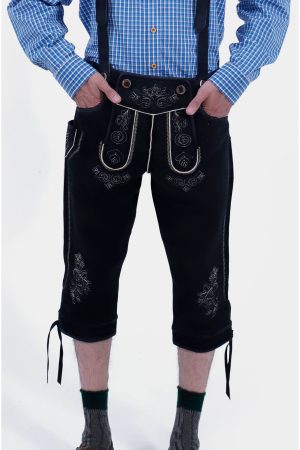
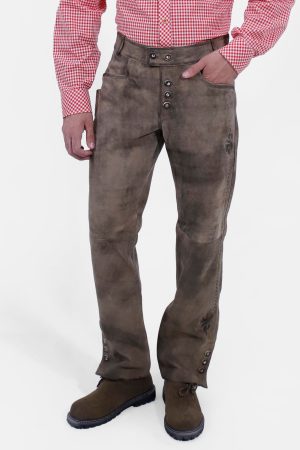
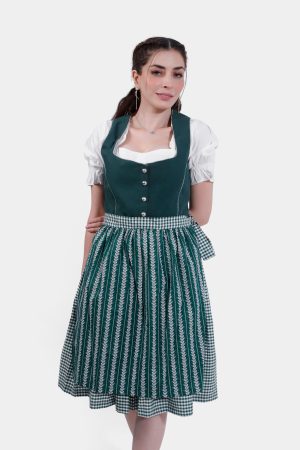
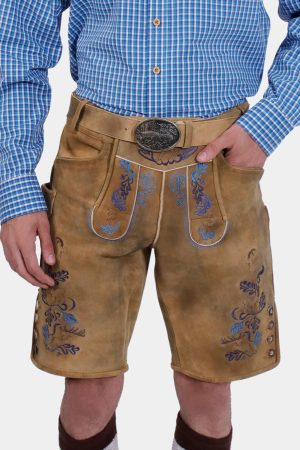
From traditional parades to the authentic wearing of Dirndls and Lederhosen, Oktoberfest traditions remain strong because they’re not just historical relics — they’re part of daily life in southern Germany.
Family and Regional Pride
One of the key reasons Oktoberfest Germany holds emotional weight for locals is the role of family. Many children grow up attending the Wiesn (the local name for Oktoberfest) with parents and grandparents. Tracht isn’t a costume to them — it’s an heirloom. Some Dirndls and Lederhosen have been passed down for decades, stitched with family memories and meaning.
Bavarians often say they are Bavarian first, German second. Oktoberfest is a yearly opportunity to express that regional pride out loud. It’s a celebration of where they come from and who they are.
Tradition Meets Modern Joy
Even in 2025, with smartphones, AI, and global streaming, Oktoberfest Germany continues to draw millions of locals who love it not for the show, but for the feeling. Younger generations are not distancing themselves from the festival — they’re embracing it. Many millennials and Gen Zs proudly wear traditional clothing, sing folk songs, and take part in age-old customs like raising a toast of “Ein Prosit.”
That emotional warmth is known as Gemütlichkeit — a German word without a perfect English translation, but it captures a feeling of coziness, comfort, and shared joy. It’s what keeps Oktoberfest alive, even in modern times.
A Living Economy and Artisan Spirit
Oktoberfest in Germany is also a celebration of local craftsmanship. From hand-sewn Dirndls to wooden beer mugs, local artisans and small businesses thrive during this season. Many Germans see it as their duty to support homegrown craftsmanship and traditional trades. That’s why even big beer tents are run by families who have preserved their heritage over generations.
By supporting Oktoberfest, locals are not only participating in a party — they’re sustaining a cultural economy that reflects their values.
More Than Beer: A Symbol of Unity
Yes, beer flows by the liter. But Oktoberfest Germany is not really about alcohol — it’s about togetherness. It’s about families gathered under chestnut trees in a Biergarten, friends laughing in unison as the brass band plays, and strangers becoming temporary kin over a shared song.
It’s a reminder that in a world of screens and speed, it’s still possible to celebrate human connection, heritage, and joy. That’s why Oktoberfest remains close to the German heart.
Conclusion
Oktoberfest Germany continues to be a powerful cultural anchor in a fast-changing world. For locals, it represents identity, belonging, and pride. Through traditions like Dirndls, Lederhosen, folk music, and heartfelt toasts, the German people keep the festival alive, not for tourists, but for themselves.
So the next time you see a young German proudly wearing a traditional outfit at Oktoberfest, know this: they’re not reenacting history. They’re living it.

 07Mar
07Mar  by eLederhosen